
Key takeaways
- Dry winter air makes breathing less comfortable. Keep indoor humidity between 30% and 50% and check it with a hygrometer.
- Change your furnace (HVAC) filter on schedule and air out the house for about 10 minutes a day.
- Go easy on wood smoke and candles indoors, keep moving and drink more water than you think you need.
In this article
The first cold snap arrives, the heat kicks on, and within a week the house feels different. Lips crack, static sparks off every doorknob, and you wake up with a throat that feels like sandpaper.
Winter changes the air we breathe for months at a time. The good news: most of what makes it uncomfortable is easy to fix at home.
Measure, then fix your humidity
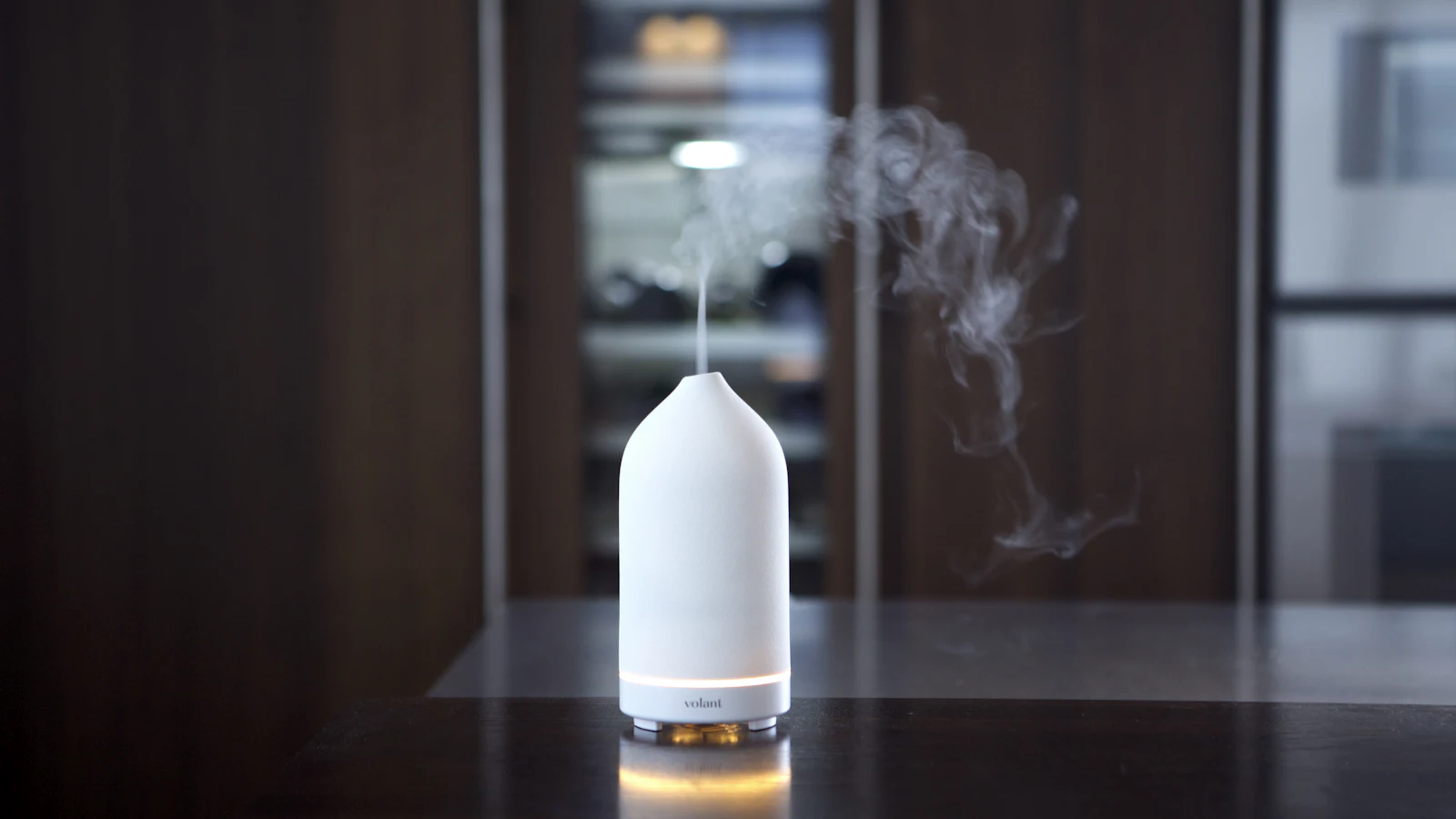
Forced-air heating dries the air out. The U.S. EPA recommends indoor relative humidity between 30% and 50%.1 An inexpensive hygrometer tells you where you are; a clean humidifier gets you back into range. Clean it as the manufacturer says, because a dirty humidifier puts its own problems into the air.
Change your furnace filter
Your heating system recirculates the same air all day. A clogged filter can't catch much. Check it monthly in winter, and if your system supports it, the EPA notes that higher-efficiency filters (MERV 13 or higher) capture more fine particles.2
Crack a window for 10 minutes a day
Even in the cold, a short burst of fresh air helps clear stale indoor air, cooking fumes and odors. Do it while you're making the bed.
Be careful with wood smoke and candles
Fireplaces, wood stoves and scented candles add smoke and fine particles to indoor air. Make sure flues are open and well maintained, and check outdoor air quality on AirNow.gov before long walks on smoky days.
Keep moving, even indoors
Cold weather keeps people on the couch. A daily walk, at the mall if needed, or ten minutes of stairs keeps your body, including your breathing muscles, active.
Drink more water than you think you need
We feel less thirsty in winter, but heated air keeps pulling moisture out of us. Warm water, herbal tea and broth all count.
"Most of what makes winter air uncomfortable is easy to fix at home."
Support your body from the inside
The first six habits work on the air around you. The seventh works on you. More adults are adding a daily turmeric supplement to their winter routine, and the research on curcuminoids, turmeric's most studied compounds, has focused largely on their antioxidant properties.3
The detail most people miss is absorption. Curcumin on its own is poorly absorbed, but a human study in Planta Medica found that adding piperine from black pepper increased its bioavailability by up to 2,000%.4 So the two things to look for are a 95% curcuminoid extract and black pepper extract.
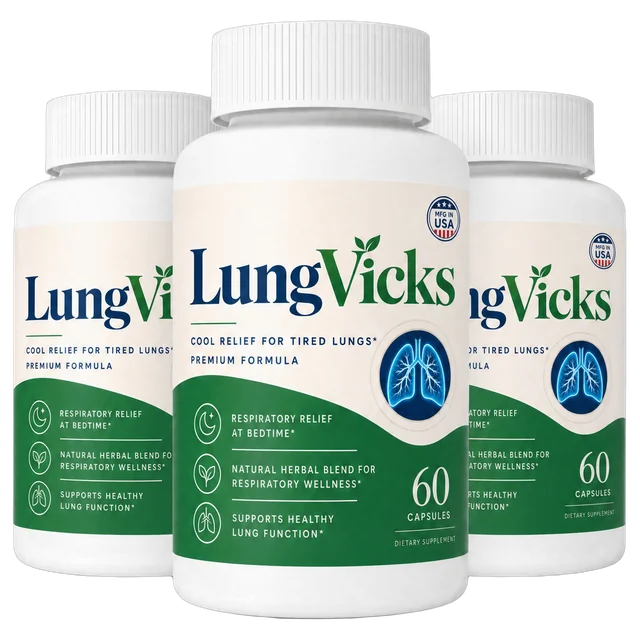
LungVicks: cool, comfortable support for tired lungs*
- Turmeric extract standardized to 95% curcuminoids
- BioPerine® black pepper extract for absorption
- One capsule, twice a day
- Made in the USA
LungVicks supports healthy lung function and the body's natural antioxidant defenses.* Combined with the six habits above, it rounds out a simple routine for the cold months.
Frequently asked questions
What is the ideal indoor humidity in winter?
The U.S. EPA recommends keeping indoor relative humidity between 30% and 50%.
How often should I change my HVAC filter?
Follow the manufacturer's instructions; many households replace filters every 1 to 3 months, more often with pets.
What is in LungVicks?
Turmeric extract standardized to 95% curcuminoids plus BioPerine® black pepper extract. One capsule twice a day. Made in the USA.
- U.S. Environmental Protection Agency. A Brief Guide to Mold, Moisture and Your Home.
- U.S. Environmental Protection Agency. Guide to Air Cleaners in the Home.
- Hewlings SJ, Kalman DS. Curcumin: A Review of Its Effects on Human Health. Foods. 2017;6(10):92.
- Shoba G, et al. Influence of piperine on the pharmacokinetics of curcumin in animals and human volunteers. Planta Medica. 1998;64(4):353–356.